Dubai’s free zones have become one of the world’s most attractive destinations for entrepreneurs, startups, and international investors. They offer benefits such as 100% foreign ownership, simplified company registration, tax advantages, and business-friendly regulations. However, one question continues to concern many business owners: Can you trade on freezone license within the UAE mainland?
The simple answer is yes—but with specific legal requirements and limitations. While a free zone company can sell products and services in the UAE, it cannot directly conduct commercial activities in the mainland without following the rules established by the relevant authorities. Understanding these regulations is essential to avoid penalties and ensure smooth business operations.
This guide explains everything you need to know about trade on freezone license, including how local trading works, available legal options, required permits, costs, benefits, and practical tips for expanding your business successfully in Dubai.
Understanding a Freezone License
A free zone license is a business license issued by one of the UAE’s designated economic free zones. These jurisdictions are designed to encourage foreign investment by providing flexible ownership structures and simplified regulations.
Businesses operating under a free zone license generally enjoy several advantages, including:
- 100% foreign ownership
- Easy company incorporation
- Full repatriation of profits and capital
- Competitive operational costs
- Streamlined visa processing
- Modern business infrastructure
- Access to global markets
Although these benefits make free zones attractive, companies should understand the limitations before deciding to trade on freezone license within the UAE.
What Does “Local Trading” Mean?
Local trading refers to selling products or services directly to customers located in the UAE mainland.
This includes:
- Selling products to retail customers
- Supplying goods to mainland businesses
- Opening physical stores outside the free zone
- Delivering commercial products directly to mainland buyers
The UAE mainland operates under different regulations than free zones, meaning additional approvals may be required before expanding operations.
Can You Trade on Freezone License in Dubai?
The answer is yes, but not directly in every situation.
A free zone company cannot simply begin selling products in the mainland without meeting legal requirements established by Dubai authorities.
Generally, businesses have several options:
- Appoint a mainland distributor
- Obtain a Dual License (where available)
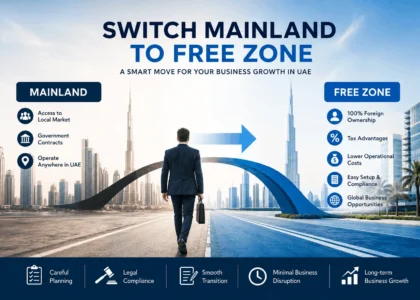
- Register a mainland branch
- Secure necessary permits from relevant authorities
The right approach depends on your business activity, industry, and long-term expansion plans.
Why Are There Restrictions?
Free zones were established to encourage international trade rather than domestic commerce.
Their primary objectives include:
- Promoting exports
- Supporting international businesses
- Attracting foreign investment
- Simplifying cross-border operations
Mainland businesses, on the other hand, operate under separate commercial regulations and licensing systems.
Therefore, companies wishing to trade on freezone license within the local UAE market must comply with additional rules.
Legal Ways to Trade on Freezone License
1. Work with a Mainland Distributor
- One of the simplest methods is partnering with an authorized mainland distributor.
- The distributor purchases your products and sells them within the UAE market while handling local compliance requirements.
2. Benefits
- Minimal regulatory complexity
- Faster market entry
- Reduced administrative workload
- No need for additional office setup
3. Best For
- Importers
- Manufacturers
- International exporters
- Wholesale businesses
4. Obtain a Dual License
- Some Dubai freezones offer Dual Licensing arrangements.
- This allows qualifying businesses to operate both inside the free zone and within the mainland without establishing an entirely separate company.
- Depending on the free zone, businesses may receive additional approvals from the Dubai Department of Economy and Tourism (DET).
5. Advantages
- Greater operational flexibility
- Access to mainland customers
- Simplified business expansion
- Improved credibility
6. Open a Mainland Branch
Businesses planning significant UAE expansion often establish a mainland branch.
A mainland branch enables companies to:
- Sell directly to customers
- Open retail stores
- Bid for government contracts
- Expand sales teams
- Increase market reach
Although this option involves additional costs, it provides greater freedom for long-term growth.
7. Apply for Required Permits
Certain commercial activities require permits from government authorities before companies can trade on freezone license in mainland Dubai.
The exact approvals depend on:
- Business activity
- Industry sector
- Products being sold
- Regulatory requirements
Always consult your free zone authority before expanding.
Which Businesses Can Trade Locally?
Many industries successfully expand from free zones into the mainland.
1. Trading Companies
- Wholesale distributors often partner with mainland agents to reach local customers.
2. E-commerce Businesses
- Online stores may sell to UAE customers using licensed logistics providers while meeting customs and regulatory requirements.
3. Consulting Firms
- Professional service providers can offer services across Dubai depending on licensing permissions.
4. Technology Companies
- Software firms, IT consultants, and digital agencies often serve mainland clients while remaining headquartered inside free zones.
5. Manufacturing Businesses
- Manufacturers frequently produce goods in free zones before distributing products through mainland partners.
Products vs Services
The rules differ depending on whether you sell products or services.
1. Selling Products
Businesses usually require:
- Customs clearance
- Import documentation
- Distributor agreements
- Mainland approvals
Physical goods entering the mainland are subject to customs procedures.
2. Providing Services
- Service-based companies generally face fewer logistics challenges.
- Depending on licensing conditions, many professional services may be offered to mainland clients while maintaining a free zone office.
- Always verify activity-specific regulations with your licensing authority.
Benefits of Trading Locally
Expanding beyond the free zone offers several advantages.
1. Larger Customer Base
- The UAE mainland has millions of consumers and thousands of businesses seeking products and services.
2. Increased Revenue
- Serving both international and domestic customers creates multiple income streams.
3. Stronger Brand Recognition
- Operating across Dubai enhances visibility and strengthens customer trust.
4. Better Business Opportunities
Mainland expansion opens doors to:
- Corporate partnerships
- Government projects
- Retail opportunities
- Franchise development
Challenges of Trading on a Freezone License
Despite its advantages, local trading involves certain challenges.
1. Regulatory Compliance
Businesses must understand customs regulations, licensing requirements, and commercial laws.
2. Additional Costs
Expansion may involve:
- Government fees
- Permit costs
- Customs duties
- Distributor commissions
- Office expenses
3. Administrative Processes
Companies may need to coordinate with multiple government departments, increasing paperwork.
4. Licensing Limitations
Not every business activity qualifies for dual licensing or mainland operations.
Common Mistakes Businesses Make
Many entrepreneurs misunderstand how trade on freezone license works.
Avoid these common errors.
1. Assuming Free Zone Means Nationwide Trading
- A free zone license does not automatically authorize unrestricted mainland business activities.
2. Ignoring Customs Procedures
- Products entering the mainland must comply with UAE customs regulations.
3. Choosing the Wrong License
- Selecting the wrong business activity can limit future expansion opportunities.
4. Not Seeking Professional Advice
- Business setup specialists help companies choose the most efficient expansion strategy.
How to Start Trading Locally
Follow these practical steps.
Step 1: Review Your Existing License
- Confirm whether your activity permits mainland operations.
Step 2: Identify Your Business Model
Determine whether you will:
- Sell products
- Provide services
- Open a retail outlet
- Work through distributors
Step 3: Consult Your Free Zone Authority
- Each free zone has different policies regarding mainland business activities.
Step 4: Obtain Necessary Approvals
Apply for:
- Dual licenses
- Mainland permits
- Distributor agreements
- Customs registrations
Step 5: Begin Local Operations
Once approvals are complete, you can legally expand into Dubai’s mainland market.
Is Trading Locally Worth It?
For many businesses, the answer is yes.
Expanding beyond the free zone provides:
- Higher revenue potential
- Better customer access
- Greater market visibility
- Long-term growth opportunities
- Stronger competitive positioning
However, companies should balance these benefits against compliance requirements and expansion costs.
Businesses with ambitious growth plans often find local trading a worthwhile investment.
Frequently Asked Questions
1. Can I trade on freezone license without opening a mainland company?
- Yes. Depending on your activity, you may use a mainland distributor or obtain a dual license if your free zone offers this option.
2. Can a free zone company sell products to mainland customers?
- Yes, but products usually need to pass through customs and comply with applicable mainland regulations.
3. Do I need a local distributor?
- Not always. Some businesses qualify for dual licensing or mainland branch registration instead.
4. Can service companies work with mainland clients?
- Many service businesses can legally provide services to mainland customers, subject to licensing permissions and regulatory requirements.
5. Is a mainland branch better than a distributor?
- It depends on your business goals. A distributor offers a simpler route to market, while a mainland branch provides greater operational control and flexibility.
Final Thoughts
Choosing to trade on freezone license in Dubai can significantly expand your business opportunities, but success depends on understanding and following the UAE’s regulatory framework. While free zone companies cannot automatically conduct unrestricted business in the mainland, there are several compliant pathways available, including working with authorized distributors, obtaining dual licenses, or establishing a mainland branch.
Before expanding, review your business activity, consult your free zone authority, and ensure all necessary approvals are in place. By selecting the right approach, you can enjoy the advantages of both free zone operations and access to Dubai’s thriving local market. With proper planning and compliance, trading locally can become a powerful step toward sustainable business growth in the UAE.